 ultimate-guide
Best Ways to Renovate Outdated Bathrooms in 2026
Table of Contents
- 1. Budget Bathroom Remodel Ideas That Transform the Space
- 2. How to Update an Old Bathroom Without Remodeling
- 3. Bathroom Remodel Before and After Ideas for Inspiration
- 4. How Long Does a Bathroom Remodel Take? Timelines and Sequencing
- 5. Repair, Refresh, or Replace: A Decision Framework for Outdated Bathrooms
- 6. Accessibility and Aging-in-Place Upgrades for Outdated Bathrooms
- Frequently Asked Questions
Last Updated: October 21, 2026
1. Budget Bathroom Remodel Ideas That Transform the Space
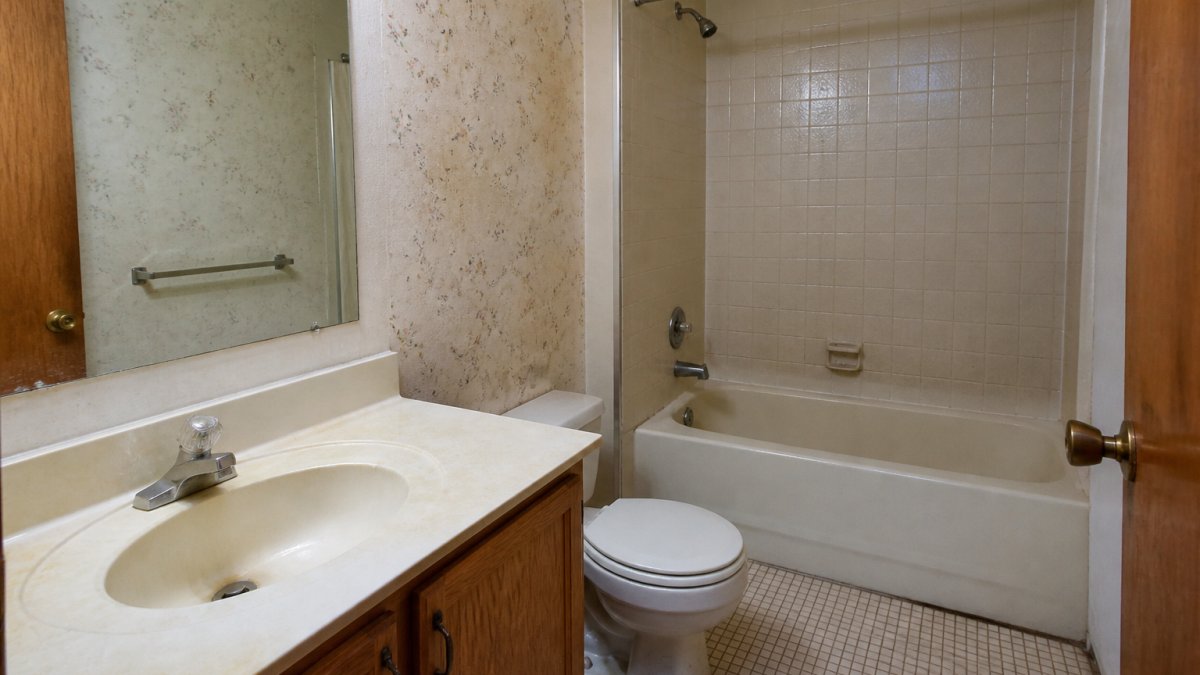
The best ways to renovate outdated bathrooms rarely start with a sledgehammer. Most of the visual gain comes from a handful of high-impact changes. Here is what actually moves the needle, and what each move realistically costs.
A budget bathroom remodel is a targeted refresh that replaces the surfaces and fixtures people see and touch, while leaving the room's footprint, drain locations, and supply lines alone. That constraint is what keeps costs predictable. Think of it in three tiers:
| Tier | Scope | Typical All-In Cost (Materials + Labor) | Timeline |
|---|---|---|---|
| Cosmetic refresh | Paint, grout, hardware, mirror, light, textiles | $500-$2,500 | 1 weekend-1 week |
| Partial renovation | Vanity, faucet, toilet, flooring, one wet-area fix | $4,000-$12,000 | 1-3 weeks |
| Full remodel (same footprint) | Tile, tub/shower, vanity, fixtures, lighting, ventilation | $15,000-$35,000+ | 4-8 weeks |
Those ranges are planning numbers, not quotes. A common pattern is to add 10-20% as a contingency, because demolition almost always reveals something, a soft subfloor, a shutoff valve that will not close, or a fan ducted into the attic. Build the contingency in before you pick finishes, not after.
Start with these moves, ordered by return on effort:
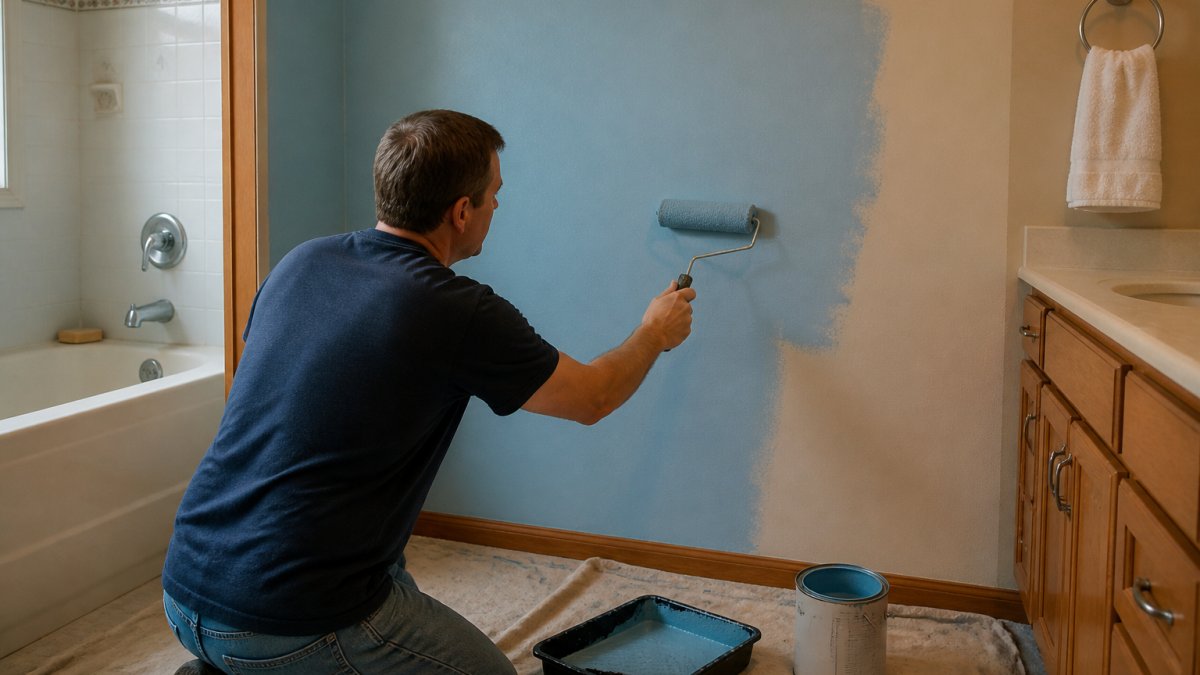
- Repaint the walls and ceiling in a light, moisture-rated finish. One weekend, one gallon, and the room reads brighter immediately. Use a satin or semi-gloss sheen so it wipes clean.
- Regrout and recaulk the shower and floor. Fresh grout lines do more for an old tile floor than most people expect. Epoxy grout resists staining better than cementitious grout but costs more and is less forgiving to install.
- Swap the vanity faucet and cabinet hardware for matching finishes. This is the cheapest way to make a dated vanity look deliberate. A mid-range faucet runs roughly $80-$250; pulls and knobs add $30-$120 for a typical vanity.
- Replace the mirror and light fixture together. Mismatched mirror-and-light pairings are the single loudest "this room is old" signal. A framed mirror plus a vanity bar typically lands between $150 and $500 in materials.
- Add open shelving or a slim storage tower to clear clutter off the counter. Open shelves read as intentional; clutter reads as unfinished.
- Layer in a washable rug, new towels, and a fabric shower curtain. Textiles add color and texture with no permit and no demolition, and they are the fastest thing to change if you tire of a color.
A word on where budget refreshes stop paying off: paint over failing caulk, grout over a moving substrate, or a new vanity over a leaking drain will all fail within a season. Before you spend on finishes, spend an hour checking for soft spots, loose tile, and lingering moisture, the decision framework later in this guide walks through that check.
2. How to Update an Old Bathroom Without Remodeling
Learning how to update an old bathroom without remodeling comes down to one rule: work with what is already plumbed and wired. Cosmetic updates leave the tile substrate, the drain positions, and the electrical circuits exactly where they are, which is why they cost a fraction of a full renovation and take days instead of weeks.
The fastest sequence:
- Deep clean and recolor grout rather than retiling.
- Refinish the tub or tile surround instead of replacing it. A professional refinish buys years on a sound surface.
- Replace the toilet seat, showerhead, and sink faucet. These are the three fixtures hands touch daily.
- Layer in textiles: a washable rug, new hand towels, and a fabric shower curtain add color and texture with no permit and no demolition.
Where this approach stops working: cracked tile, soft spots around the tub, or a fan that vents into the attic instead of outdoors. Those are symptoms of a problem paint cannot fix.
3. Bathroom Remodel Before and After Ideas for Inspiration
The most useful bathroom remodel before and after ideas share a pattern: they fix light, storage, and one focal element. Everything else is secondary.
The dark vanity swap. A dated oak vanity with a dropped-in sink becomes a floating vanity with a vessel bowl and a wall-mounted faucet. The floor stays. The room reads twice as large because the floor is visible underneath.
The feature wall. One shower wall or the wall behind the vanity takes a textured tile, a bold paint color, or vertical shiplap. The other walls stay quiet. This is the single most photographed upgrade in any bathroom renovation.
The lighting rebuild. Replacing one overhead builder-grade fixture with a layered plan (vanity sconces at face height, a ceiling fixture, and a night light) changes how the whole room looks in photographs and in person.
The curbless shower conversion. A tub-and-shower combo becomes a walk-in shower with a linear drain and a bench. This is the highest-impact before-and-after in the guide, and also the most expensive: a full shower rebuild commonly lands in the $6,000-$15,000 range because it involves waterproofing, framing, and tile.
Save your before photos. They are the best diagnostic tool when you sit down with a contractor to scope the work, and they are the fastest way to spot which of the four patterns above actually applies to your room.
4. How Long Does a Bathroom Remodel Take? Timelines and Sequencing
A cosmetic refresh takes a few days to two weeks. A full bathroom renovation typically runs several weeks, and the schedule is driven by sequencing and inspection windows rather than by labor speed.
Here is how the work actually orders itself:
| Phase | What Happens | Typical Duration |
|---|---|---|
| Demolition | Tear-out of tile, vanity, fixtures | 1-3 days |
| Rough-in (first fix) | Plumbing and electrical moved or added | 2-5 days |
| Inspection | Rough plumbing and electrical sign-off | Scheduling dependent |
| Waterproofing and tile | Substrate, membrane, tile, grout | 1-2 weeks |
| Fixtures and finish | Vanity, toilet, faucets, lighting, paint | 3-5 days |
| Punch list | Final inspection, touch-ups, cleanup | 1-3 days |
Two things wreck timelines more than anything else: hidden water damage found during demolition, and change orders placed after tile is ordered. Both are avoidable with a thorough walkthrough before the first hammer swings.
5. Repair, Refresh, or Replace: A Decision Framework for Outdated Bathrooms
Use this framework before you commit a budget. It separates a repair from a refresh from a full replacement.
Step 1: Check for water and structure. Soft subfloor, loose tile, recurring mold, or a tub that flexes underfoot means repair first. Finishes over a failing substrate will fail too.
Step 2: Check the layout. If the toilet, sink, and shower are in workable positions, you are in refresh territory. If the room is cramped or the door swings into the vanity, you need a renovation with space planning.
Step 3: Check the systems. Old galvanized supply lines, a fan venting into the attic, or no GFCI protection near the sink push you toward replacement work, because electrical and plumbing corrections require opening walls.
Step 4: Check accessibility. Grab bars need blocking behind the wall. If aging-in-place upgrades are in the plan, install the blocking during the renovation, not after.
| Situation | Recommended Path | Why |
|---|---|---|
| Sound surfaces, dated colors | Refresh | Lowest cost, fastest turnaround |
| One failed component (tub, fan, faucet) | Targeted repair | Avoids full demolition |
| Cramped layout or failing systems | Full renovation | Corrects the underlying issue |
| Planning to age in place | Renovation with blocking and curbless shower | Retrofitting later costs more |
6. Accessibility and Aging-in-Place Upgrades for Outdated Bathrooms
Accessibility upgrades belong in the renovation plan, not bolted on afterward. The reason is structural: grab bars, a bench, and a curbless shower all depend on blocking and framing installed before tile goes on the wall.
Worth building in:
- Blocking behind every wall where a grab bar might go, even if you install bars later.
- A curbless or low-threshold shower with a linear drain.
- A hand-held showerhead on a slide bar, which serves everyone in the household.
- Comfort-height toilet and a vanity with knee clearance for seated use.
- Lever handles on the faucet instead of cross handles.
- Slip-resistant flooring with a matte finish.
These choices do not make a bathroom look institutional. Done well, a curbless shower with a bench reads as a modern upgrade, and it happens to be the safest option in the house.
An outdated bathroom is a solvable problem, whether you choose a weekend refresh or a full renovation with corrected plumbing, electrical, and ventilation. The difference between a project that finishes on schedule and one that stalls is who is running it. Reo-ServicePro handles plumbing, electrical, and remodeling under one owner-led team, so the person who walks your project at the start is the person managing it through final inspection, with a clean site every day. Get a free estimate and we will tell you honestly whether you need a repair, a refresh, or a full replacement.
Frequently Asked Questions
What is the 30% rule in remodeling?
The 30% rule suggests you should spend no more than 30% of your home's value on a full bathroom remodel. For example, if your home is worth $400,000, a bathroom renovation should stay under $120,000 to avoid over-improving for the neighborhood. This guideline helps you avoid pricing your home out of the local market and ensures you see a reasonable return on investment when you sell. Keep in mind that the rule applies to full gut renovations; budget-friendly updates cost far less.
What is the cheapest way to modernize my bathroom?
Start with paint and hardware. A fresh coat of paint on the walls and vanity, new cabinet pulls, a modern faucet, and updated light fixtures can cost a few hundred dollars and dramatically change the look. Next, regrout tile and replace the showerhead and toilet seat. These quick updates address the most visible signs of an outdated bathroom without the cost and disruption of a full remodel. Many homeowners complete these changes in a weekend.
How can I update an old bathroom without a full remodel?
Focus on cosmetic changes that don't require moving plumbing or electrical lines. Replace the vanity top and sink, swap out the mirror and lighting, add a fresh coat of paint, and update hardware on cabinets and doors. You can also install a new shower curtain, bath mat, and towels to refresh the decor. These updates typically take one to two weekends and cost a fraction of a full renovation while still making the space feel current.
What should I renovate first in an outdated bathroom?
Tackle the elements that affect daily function and safety first: fix leaky faucets, replace worn flooring, and improve ventilation. Then move to visual upgrades like paint, lighting, and hardware. If your bathroom has structural or plumbing issues, address those before cosmetic work. A licensed contractor can help you prioritize based on your budget and long-term goals, ensuring you don't waste money on finishes that will be removed later.
Is $10,000 enough to remodel a bathroom?
It depends on the scope. A $10,000 budget can cover a mid-range refresh with new paint, fixtures, vanity, and flooring if you keep the existing layout and plumbing. A full gut remodel with layout changes, new tile, and upgraded materials typically costs more. In many markets, $10,000 is a realistic starting point for a guest bathroom or a cosmetic update. Get a detailed estimate from a licensed contractor to see what your budget covers.
How long does a bathroom remodel take?
A cosmetic refresh (paint, fixtures, hardware) takes one to two weeks. A mid-range remodel with new tile and vanity takes three to five weeks. A full gut renovation with layout changes and plumbing relocation takes six to ten weeks. Timelines depend on permit approvals, material lead times, and hidden issues found during demolition. Your contractor should provide a schedule upfront and update you if anything changes.